Ring in the New Year With a New Heater Installation
As the new year rolls in, it usually brings the coldest, harshest weather of the winter season. That means homeowners will crank up their heaters and furnaces to keep their homes warm and cozy. With all that usage, older heaters often struggle to keep up. As a result, HVAC companies are slammed with calls for heater repair and replacement at this time of year.
Of course, January is also the time of year when many homeowners start thinking about the home improvements they want to tackle with their fresh yearly budget. If the heater is acting up, that might be a good place to start! This article will explain how to tell if a heater needs replacing, provide guidelines for selecting a new heating system, and explain why maintenance is important for old and new heaters.
Signs a Heater Needs to Be Replaced
 First, it’s helpful to know when a heater might need replacing. There are several signs to watch for:
- The heater is more than 15-20 years old. This is the average lifespan of a typical heater. Some can last longer with diligent maintenance, but if the unit is in this age range and performs poorly or needs major repairs, it probably makes more economic sense to replace it.
- The heater frequently needs repairs. Similar to the previous point, it may be worth investing in a new heater installation rather than constantly shelling out for repairs.
- The heater makes unusual noises. Screeching, rattling, banging, booming, excessive vibration, or metallic grinding sounds can all indicate serious problems with the heater that may warrant a heater replacement.
- Unusually high energy bills. A failing heater often drives up utility bills as it loses energy efficiency. In addition, newer heaters tend to be much more efficient than older ones, so a proactive heater upgrade can help save money in the long run.
- Uneven heating/the house doesn’t get warm enough. If some rooms get hot while others stay cool, or if the heater runs constantly but fails to bring the house to the desired temperature, there’s undoubtedly something wrong with the unit.
- The unit is rusted, cracked, or corroded. A damaged or age-worn heater can be dangerous, particularly if it uses gas for fuel – a gas or CO leak is a risk not worth taking.
Some of these issues may be resolved with repairs or servicing, but some may be more serious. If homeowners notice these symptoms, they should immediately call a professional to diagnose the issue and help them determine whether heating replacement is the right choice.
Choosing the Right Heating System
Once homeowners have decided to replace their heater, they’ll have to choose what kind of heating system to install. There are many, each with its advantages and drawbacks.
- Gas or electric furnaces – These are most effective in very cold climates but can use a fair amount of energy. Electric models tend to be less energy-efficient than gas models.
- Heat pumps – These are very energy efficient but less effective in extreme cold. However, they can handle heating and cooling, so homeowners don’t have to install a separate air conditioning system.
- Geothermal heat pumps – These are even more energy efficient, as they draw their heating power from the earth’s natural underground warmth. However, they do have a higher up-front cost than other systems.
- Boilers/radiant heating systems – These deliver heat through a network of water pipes or wires installed in the floors and/or walls of a home (or to radiators installed in each room). They can be very efficient and quiet, but they can have a higher installation cost if the home doesn’t already have the infrastructure.
Which type of heating system is right for the home isn’t a cookie-cutter decision – it depends on the size of the home, what kind of system it already has, the homeowner’s budget, and personal preferences. It’s always best to consult with an HVAC expert to determine what will work best for the household’s specific needs.
The Importance of Maintaining the New Heater
 After their new heating installation is complete, homeowners will want to protect their investment by maintaining and servicing the unit regularly. Routine heating maintenance helps save money by boosting efficiency and preventing costly repairs, extends the unit’s life by reducing wear & tear, and keeps the home warm by ensuring peak heating performance.
Without routine maintenance, any heating system will likely break down or perform poorly. Its energy efficiency will suffer, and more strain will be placed on internal components. As a result, homeowners may find themselves without heat on a cold night when their heater stops working. In fact, routine heater maintenance is so important that it’s a prerequisite on most manufacturer warranties.
So, instead of waiting for that old heater to kick the bucket, homeowners can take matters into their own hands and install a new heater today!
About Daniels Plumbing, Heating and Air Conditioning, LLC
The experts at Daniels Plumbing, Heating and Air Conditioning, LLC have served Santa Fe, NM, for 15 years. In that time, they’ve become one of the most trusted and highly rated local businesses in New Mexico. They offer competitive up-front pricing, financing, free installation estimates, 24/7 emergency service, and a 100% satisfaction guarantee – so don’t hesitate to call Daniels for heater replacement in Santa Fe, NM!
 Boiler systems offer an excellent way to heat the home during the cold winter. Since these systems use radiant heat from radiators, baseboard heaters, or even
 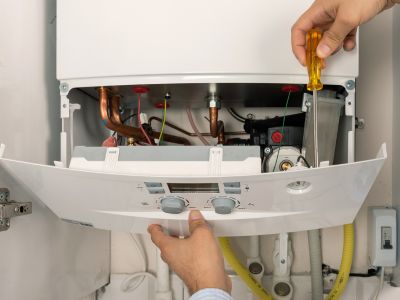 Like other heating systems, boilers operate best when they are regularly maintained by a professional heating and cooling company. This is especially important before the boiler gets a lot of use, which is why experts recommend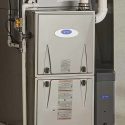
 Another cost that homeowners are acutely aware of that can indicate the need for heater replacement is the recurring monthly energy bills associated with heating the home. As a heater age, it loses a significant percentage of energy efficiency every year. After 10 to 15 years in service, bills will be significantly higher.
  The wear and tear that takes a toll on the heater can cause poor performance and may indicate that heater replacement is needed. For example, the home may stay too cool during the winter, or hot and cold spots may develop due to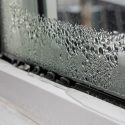
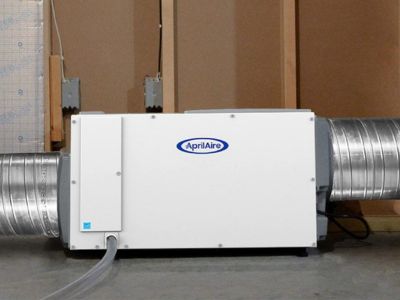 Contrary to common belief, a dehumidifier is not just an accessory but an essential for maximum summertime comfort in the home. It might be nearly impossible to escape the widespread damp air outside, but that doesn’t mean it must also be inescapable in the home. A whole-house dehumidifier removes the excess moisture from the air and filters it into the ground or a tank and out of the home, thus freeing the indoor space from the thick, heavy, sticky outside air.
  Humidity in the home has a very particular look and smell: condensation, mold, and must. These are telltale signs that a home needs the help of a dehumidifier. While condensation on the windows is primarily an eye sore, the smell of must and the look of mold caused by high humidity levels have real negative health effects that should be addressed immediately.
 Reversing the Ceiling Fan Blades
 Smart Thermostats Work
 Common Signs the Heater Needs To Be Replaced
 Don’t Underestimate the Importance of Heater Maintenance!
 Replacing the AC Unit’s Air Filters
 Schedule an Indoor Air Quality Testing Appointment
 Unusually High Energy Bills
 Inaccurate Temperature Reading
 The House Doesn’t Get Cool Enough
 Strange Sounds or Odors Coming from the Vents
 Reason #1: More Availability
 Reason #3: Longer Life for AC Unit